From physical lines to virtual holds, the way guests wait shapes how they feel long before the main experience begins.
Most organizations put the bulk of their energy into the guest experience once someone officially enters the building or reaches the point of service. But the truth is, the experience begins much earlier.
It starts when a guest approaches your entrance. When they look for signs and wonder if they're in the right place. When they step into a line, wait for assistance, or sit on hold in a virtual queue.
Those moments may seem operational, but they are deeply experiential.
In our work helping organizations design stronger customer and guest experiences, we often remind leaders of a simple truth: waiting is not separate from the experience. It is the experience.
And when it's designed intentionally, it becomes a powerful first impression.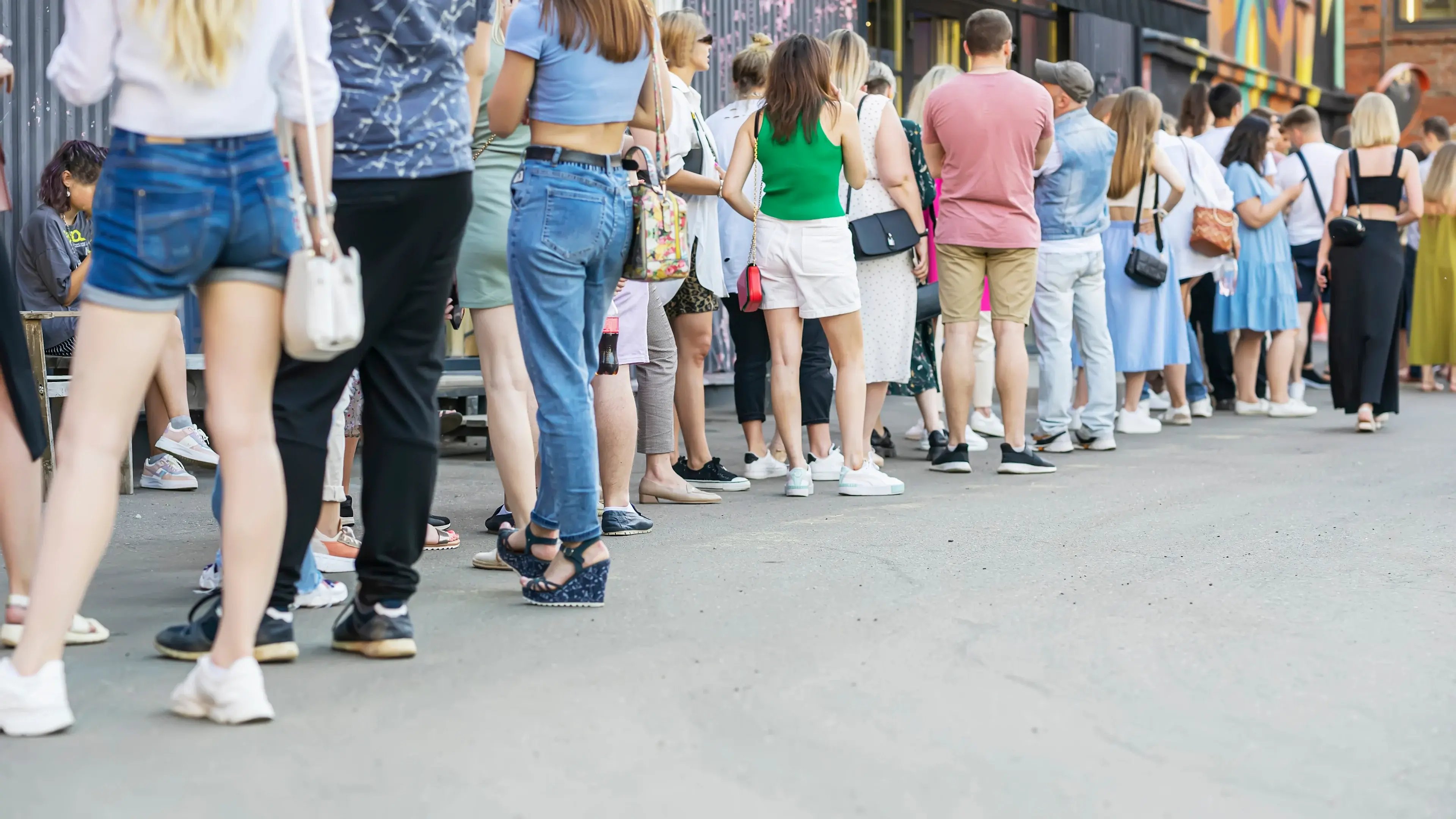
The Wait Sets the Tone
Before a guest ever enjoys your exhibit, event, attraction, or venue, they're already forming opinions.
Is this organized?
Do these people respect my time?
Do they seem prepared for me?
Does this feel easy… or stressful?
That's the power of queueing — or, as we like to frame it, engineering arrivals and waits. A line is an early signal of how your organization thinks, plans, and cares for people.
A poorly managed "queue" – in whatever form it takes at your organization — creates uncertainty right away. A well-designed queue does the opposite. It builds trust, lowers anxiety, and sets the tone for everything that follows.
In fact, when the arrival and the waiting experience are handled well, organizations earn credibility with guests immediately. That early goodwill can make people more patient, more forgiving, and more engaged if something later in the process doesn't go exactly as planned.
Walt Disney Understood That the Line Is Part of the Show
If any organization understands this, it's Walt Disney.
One of the most overlooked reasons Disney continues to set the standard in guest experience is that they never treated the queue as "dead time." Under Walt Disney's vision, and through the work of Imagineers and operational leaders, waiting became part of the story.
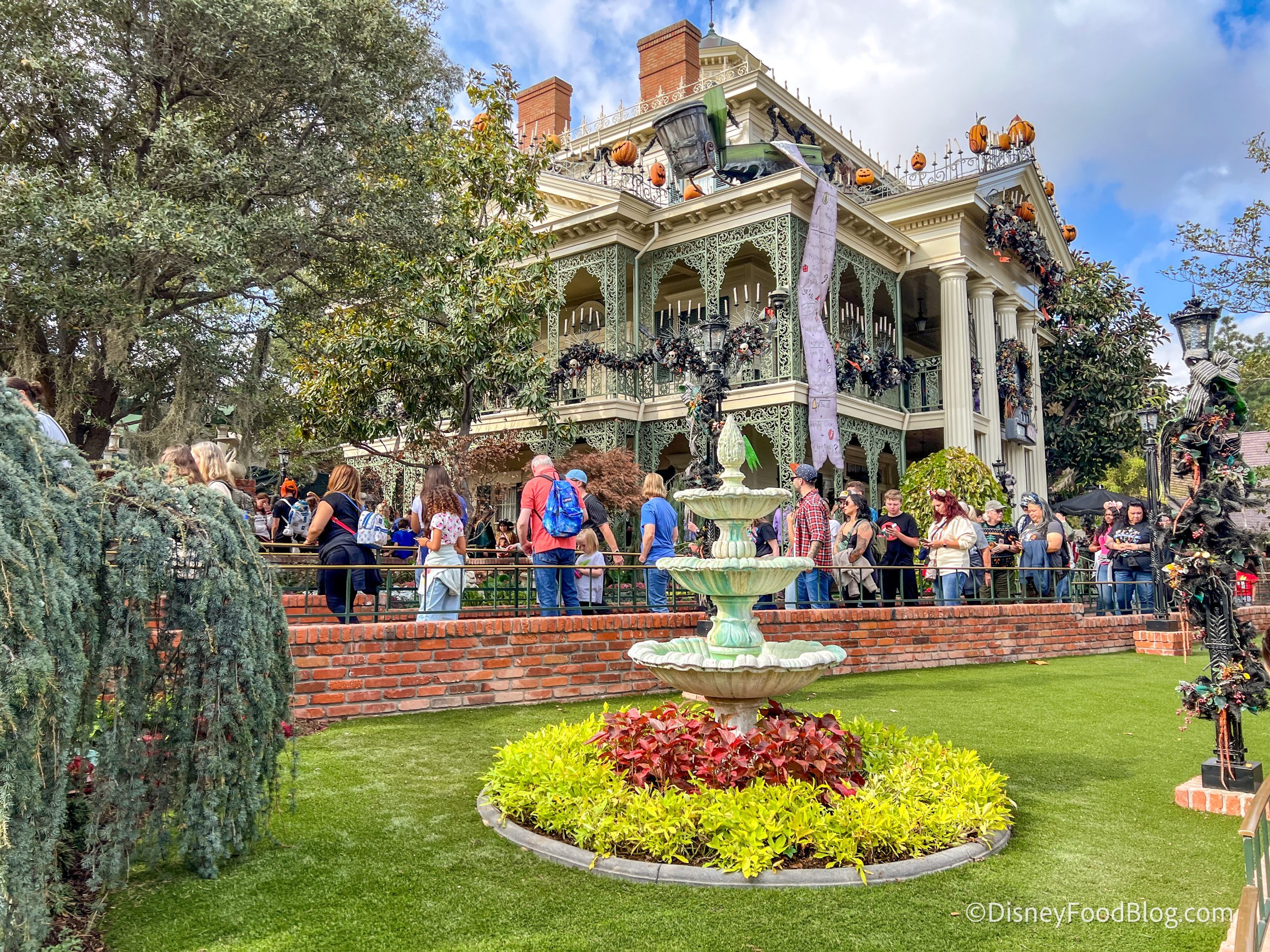
The Haunted Mansion queue is a classic example. Guests aren't simply being held in place; they're completely immersed in the experience before the attraction even begins, listening, learning, and engaging all of their senses.
That philosophy aligns with the same service standards that continue to make Disney a benchmark for organizations far beyond the theme park world: safety, courtesy, accessibility, show, and efficiency.
And that's exactly why this lesson translates so well to other industries. Whether you're running a museum, healthcare system, entertainment venue, public attraction, or customer service center, the principle is the same: you may not be able to eliminate waiting, but you can absolutely redesign what waiting feels like.
What Great Queue Design Actually Looks Like
Great queueing is the intentional design of flow, communication, comfort, and first impressions – work that goes well beyond stanchions and crowd control.
- Clear, conspicuous wayfinding so guests never wonder where to go next
- Visible wait-time estimates that help set expectations honestly
- Warm greeters or hosts who answer questions and reduce uncertainty
- In-line entertainment or visual interest that makes the wait feel shorter
- Themed or intentional stanchions that support flow without feeling sterile
- Comfort measures like shade, fans, water access, or seating where appropriate
- Accessibility considerations for mobility devices, sensory needs, and alternative pathways
These details may seem small, but they send a big message: We planned for your arrival, we care about your time, and we want this to feel easy.
That's what guests remember.
Queueing Isn't Just Physical
This concept matters just as much in virtual environments.
If a customer calls with a claim and sits on hold for eight minutes listening to distorted music and vague messaging, that's a queue. If a patient waits in a digital appointment room with no updates, that's a queue.
Virtual waiting communicates just as much as physical waiting.
Is the messaging clear?
Is there an option for a callback?
Does the tone feel calm, helpful, and, perhaps most important, human?
Whether guests are standing in line or waiting on hold, they are still asking the same question: What does this wait say about this organization?
Line by Design
At The Donnelly Group, we call this Line by Design — the intentional design of arrivals, waits, and transitions to support stronger first impressions and more consistent service delivery.
Because your service standards shouldn't begin at the front desk, the turnstile, or the point of sale. They should be evident the moment someone begins interacting with your process.
And when your "line" is designed well, waiting doesn't feel wasted. It feels like part of the welcome.
So, what's your current "Line Design?"
If the moments before the "main event" don't reflect the experience you want to deliver, it may be time to engineer arrivals and waits with the same care you give everything that comes after. If you're ready to rethink the guest journey from the very first moment, let's talk.
Want to be more EFFECTIVE? Follow us on the journey:
- Follow us on TWITTER: @DonnellyEffect
- Follow us on LINKEDIN: Donnelly Effect & Mike Donnelly
- SPARKS! Blog: Subscribe on the upper right hand side of this page =)
Mike Donnelly, CEO of The Donnelly Group, is a recognized expert, keynote speaker, facilitator, and consultant in customer service and leadership development. Leveraging 20+ years of experience from The Walt Disney Company, he and his team help clients achieve high-performing service cultures and positive business results.